Mobility

About 28-32% of total GHG emissions in tier 2 Indian cities are contributed by the transport sector, which is also responsible for ambient air pollution that has serious impact on health and well-being of citizens. Several cities are taking positive steps towards a sustainable transportation paradigm through efforts in improving public transportation quality and footfall, enabling e-mobility and enforcing emission norms locally. 

The CapaCITIES project is supporting Indian cities to plan and implement climate action in the mobility sector through technical studies and demonstration projects:

  • Conducted technical assessment for last mile connectivity and electrification of BRTS corridor In Rajkot and prepared city level low carbon Intermediate Para Transit (IPT) Action plan for Udaipur.
  • Deployed 18 e-rickshaws of different categories in collaboration with UMC as a pilot initiative to evaluate the technical capacity and workability of e-rickshaws.
  • In Phase 2, the project is actively engaging with Rajkot and Udaipur cities to develop bankable public e-mobility projects with private sector participation, with an aim to curb GHG emissions and to improve first and last mile connectivity.

Implementation Projects

Quick-Win Project

Deployment of 18 Electric Rickshaws as a Pilot Initiative

Udaipur: CapaCITIES project assisted Udaipur city to implement a pilot initiative to evaluate the technical capacity and workability of e-rickshaws in the context of Udaipur with its peculiar terrain and user base.
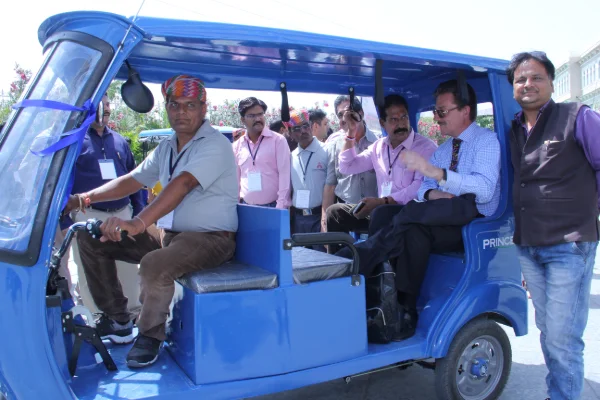
The project deployed 18 e-rickshaws of different types, specification and technology and tested their performance on city roads and prepared a case study on the e-rickshaw operations for the city to scale-up the low carbon IPT system especially faster deployment of E-rickshaws. Annual emission reduction from the pilot project includes 45.62 tCO2e of GHG emission, 261 kg of NOx and 132 kg of particulate matter.

Bankable Projects

Development of Walled City as a Green Mobility Zone (GMZ)

Udaipur: Walled city houses major economic and tourist destinations in Udaipur, due to large floating population congestion and air pollution has been identified as a key issue.
The project is supporting development of the walled city as a Green Mobility Zone- access controlled area with amenities to support and promote electric mobility. The project post implementation is expected to result in significant reduction in transport led GHG emission and also improve the tourism aesthetic value of the walled city.

Technical Assistance

Assessment for Ensuring Last-mile Connectivity Along the BRT Stretch, Including Pre-feasibility of Potential Electrification of the Corridor

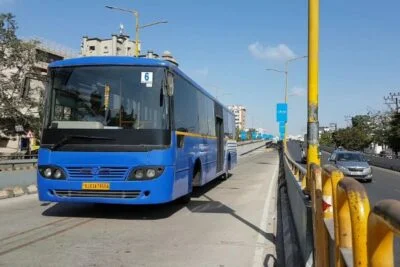
Rajkot: CapaCITIES project assessed the feasibility of electrifying the Bus Rapid Transit (BRT) route and proposed relevant measures to improve ridership along the 10.7 km BRT corridor after studying the need for last mile connectivity.

Development of City Level Low Carbon Intermediate Para Transit (IPT) Action Plan and Financing Proposal

Udaipur: In the absence of robust public transport in Udaipur, IPT is a preferred mode of travel in the city which caters to more than 11% of trips in the city and provides employment (directly or indirectly) to a significant population.

An action plan for IPT was developed with an aim to reduce the transport emissions per km in the city by making IPT more sustainable mode of transport, and allowing for its integration with the public transport enabling an increase in its ridership.