
PROJECT BEGINS
2016
Phase 1: Successfully Completed — 2016 – 2019

Aim: To lower greenhouse gas emissions growth path and enhance resilience to climate change in select Indian cities.

2019
Phase 2: Successfully Completed — 2019 – 2024

Aim: To mainstream climate action in select Indian cities and states by enhancing capacities to adopt integrated climate resilient planning, design innovative finance mechanisms and develop climate resilient infrastructure.

2024
Phase 3: Ongoing — 2024 – 2026

Aim: To support city and state governments in durably transitioning towards net-zero climate-resilient urban development by institutionalizing climate action planning and implementation at the city and state levels.

2026

OUR APPROACH

Plan, Implement, Replicate

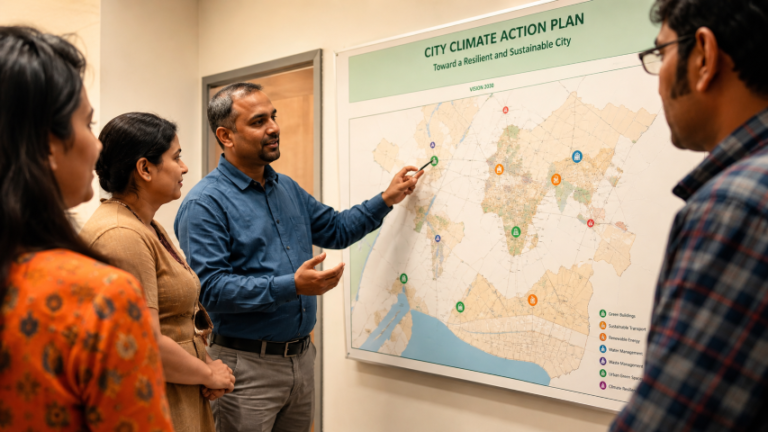
CapacITIES works across the full arc of urban climate action — from integrating climate into city plans, to financing and building projects, to replicating them at scale.

Phase I — III

Plan

Integrating climate change considerations into urban planning and developing a roadmap for climate resilient interventions with city governments.

Demonstration

Implement

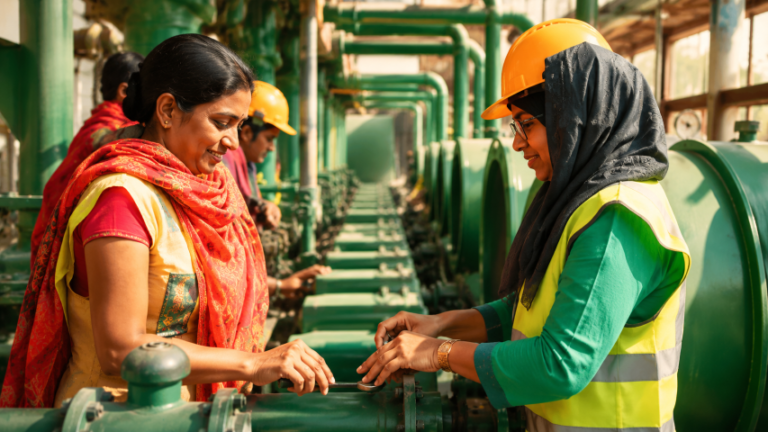
Developing adaptation and mitigation actions, reducing and scaling up finance, and implementing demonstration projects on the ground.

Peer Learning

Replicate & Scale-up

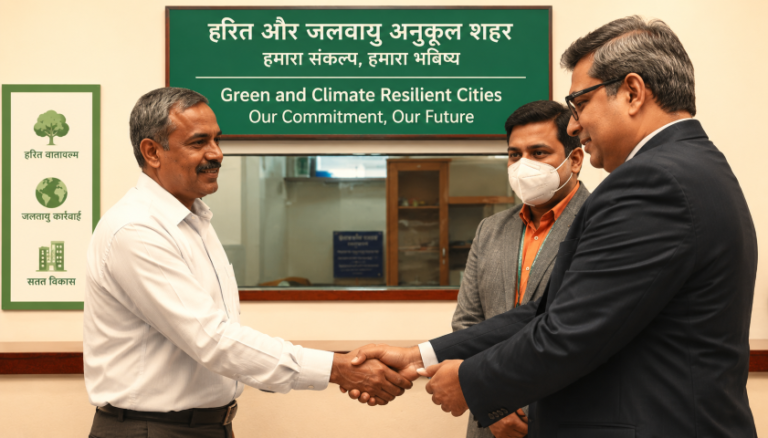
Technical support to cities to enable large-scale implementation, with knowledge sharing at national and regional level.

MEASURED IMPACT

Impact of CapaCITIES Phase 1 in the Project Cities

Results from the implementation of pilot projects on climate resilience across the partner cities.
m³/year
0

Biogas generation

kWh/year
0
Renewable energy generated
tCO₂/year
0
GHG emissions reduced

Potential of Climate Resilient Action Plans Developed by the Cities

Billion INR
0
Cost of climate interventions
Billion INR
0
Secured under municipal budget
Million tCO₂
0
Annual GHG emission reduction

SECTORS

Where Climate Action Happens in the City

Interventions span the municipal services that shape a city’s emissions and its resilience to climate risk.

Water and Wastewater Management

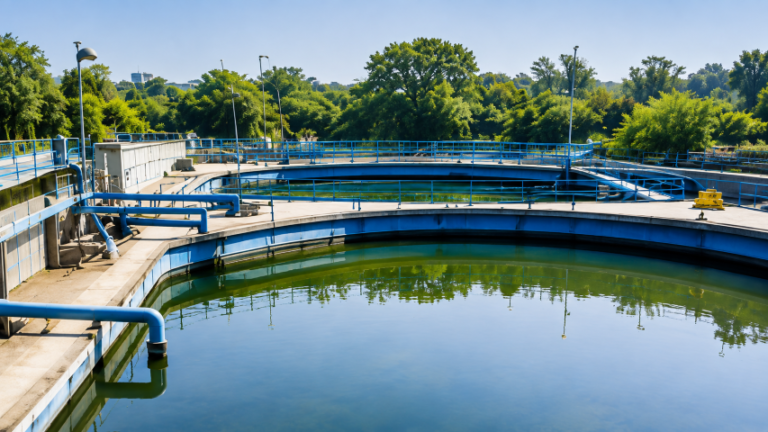
Efficient supply, reuse of treated wastewater and resilient systems planning.

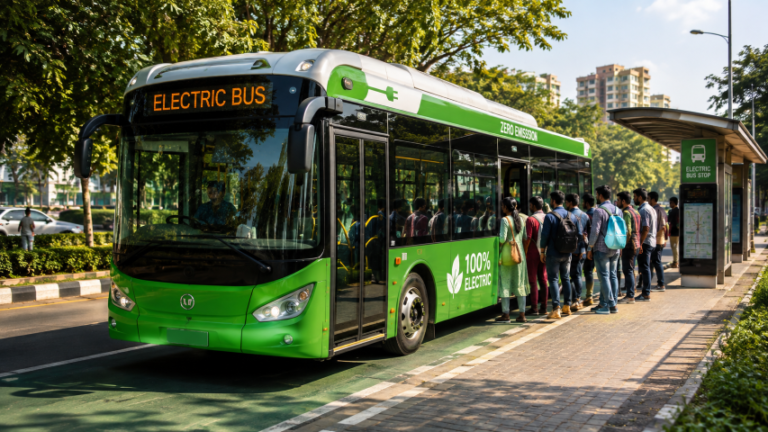
Mobility

Low-carbon public transport, electric mobility and non-motorized infrastructure.

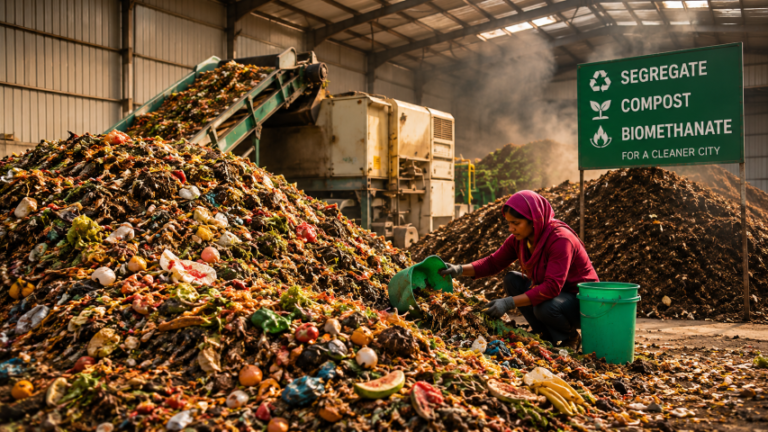
Solid Waste Management

Segregation, composting and biomethanation to cut methane emissions.

Biodiversity

Urban lakes, wetlands and green infrastructure for adaptation.

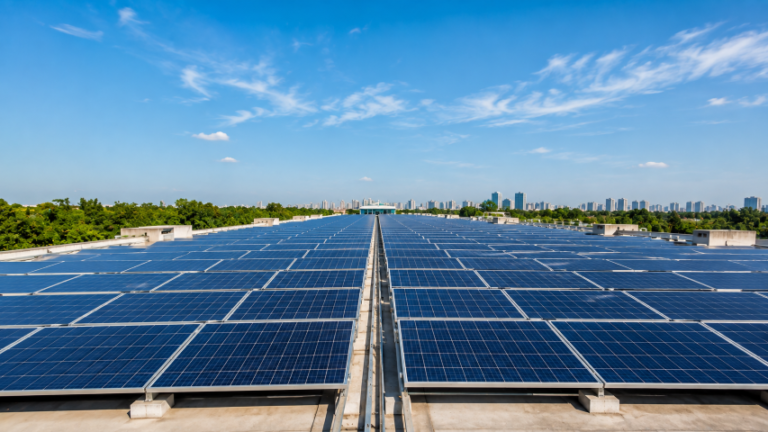
Energy

Rooftop and building solar energy efficiency in municipal services.

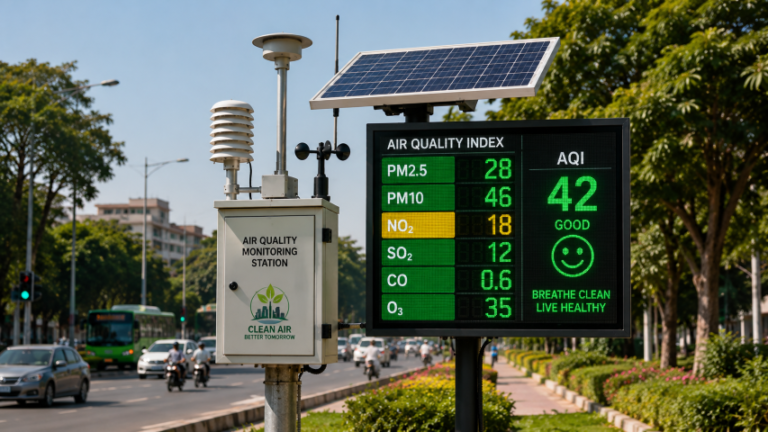
Air Pollution Monitoring

Monitoring hotspots and air quality to inform better climate planning.

PUBLICATION

Knowledge For Practitioners

September 21, 2026
Migration, Livelihood Trajectories and Climate Resilience: Case Study of select medium-sized Indian cities
September 21, 2026
Guidance Checklists: Preparation of Sustainable and Resilient Infrastructure Projects
September 21, 2026
Position paper on Low Carbon Resource Efficient Affordable Housing
July 15, 2026
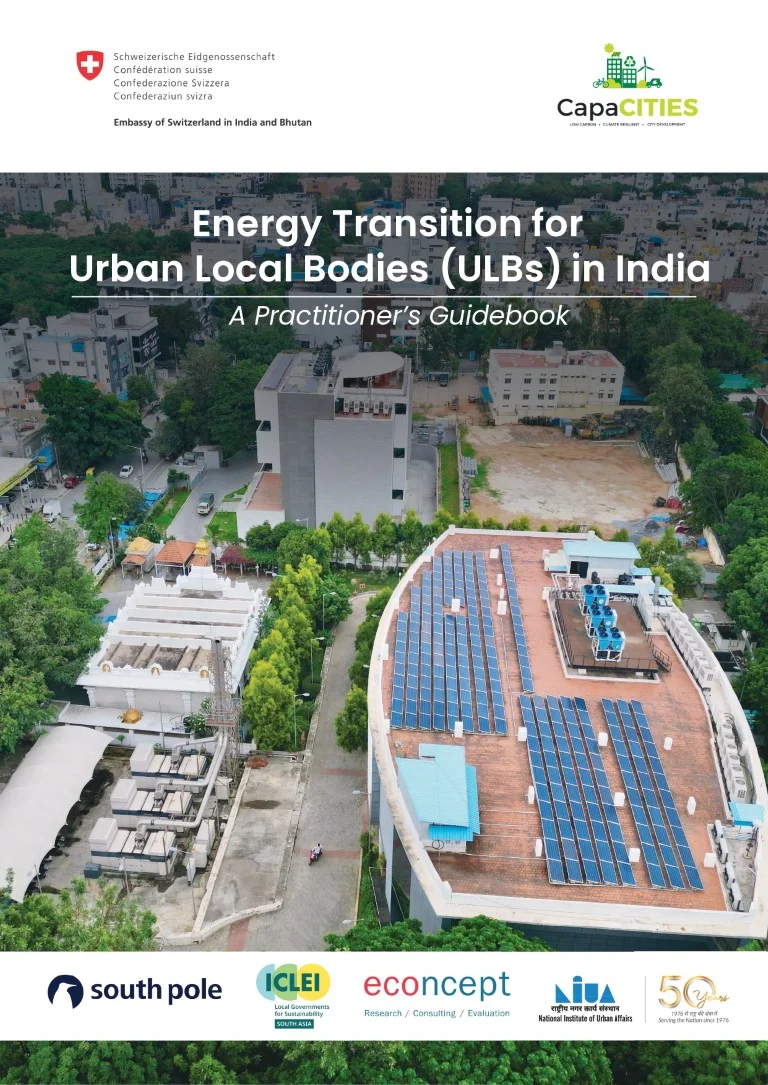
Energy Transition for Urban Local Bodies (ULBs) in India A Practitioners Guidebook
July 15, 2026
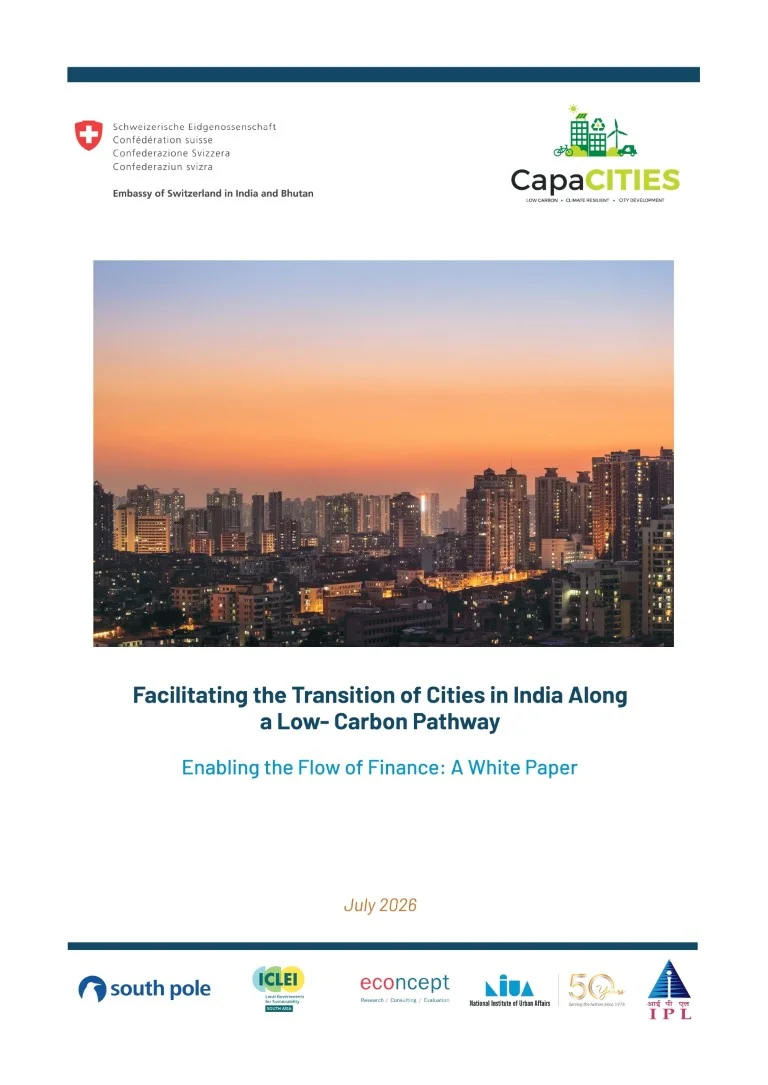
Facilitating the Transition of Cities in India Low-Carbon Pathway-Whitepaper
July 15, 2026
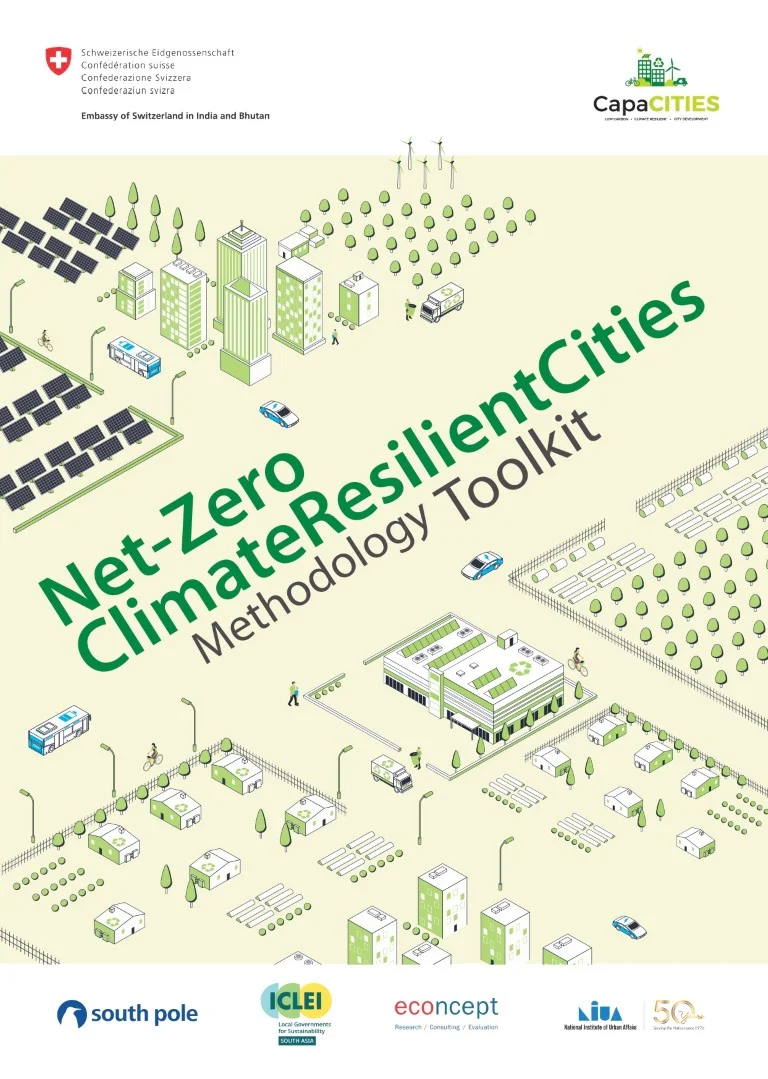
Net-Zero ClimateResilientCities Methodology Toolkit-web

PARTNERS

Supported By

Implementation Partners

Knowledge Partner