


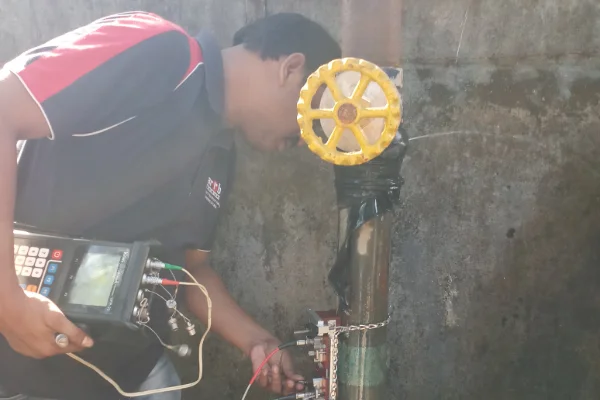
CapaCITIES project provided two Acoustic Leak Detection Machines to the Siliguri Municipal Corporation, and trained a team of engineers to operate them.
As a pilot study, the machines were used to conduct a water audit in water zone 1 of the city. The machines helped in reducing the NRW by accurately pinpointing the leaks in the water pipeline network and in reduction of energy being lost due to pumping the NRW, thereby reducing greenhouse gas emissions from pumping water that eventually goes to waste.
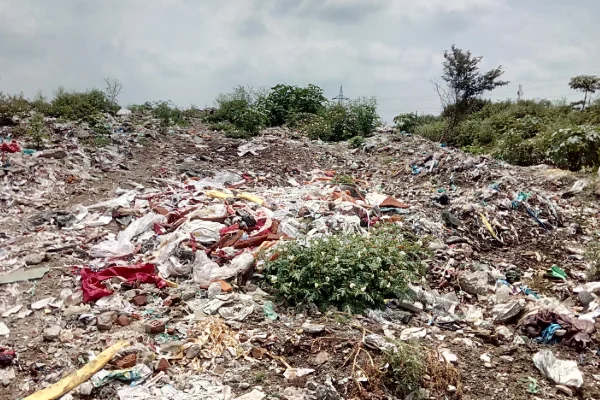
The SUNYA – Zero Waste Wards initiative was implemented in wards 2 and 17 of Siliguri on a pilot scale under the CapaCITIES project resulting in source segregation of waste at the household level.
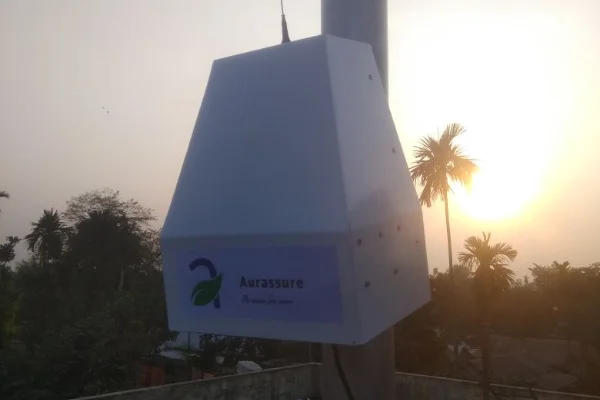
CapaCITIES project helped the city in installing four sensor based AAQMS in Siliguri’s Municipal Corporation main administrative building, Primary Health Center (PHC) at ward 36, Bhakti Nagar Police Station, and Mallaguri Police Outpost.
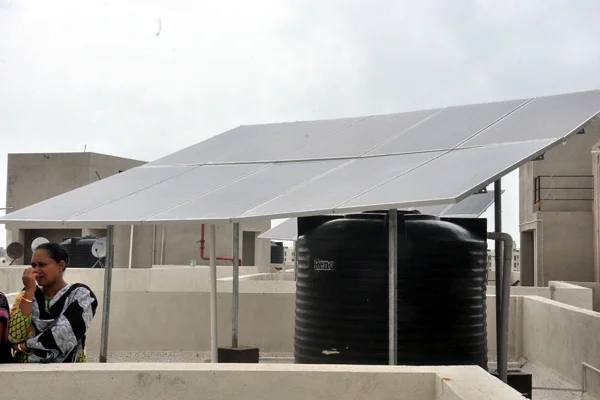
Through this study recommendations on optimal use of the existing (and rapidly filling up) dumpsite have been provided. Once implemented, these steps will help in better management of the existing dumpsite.
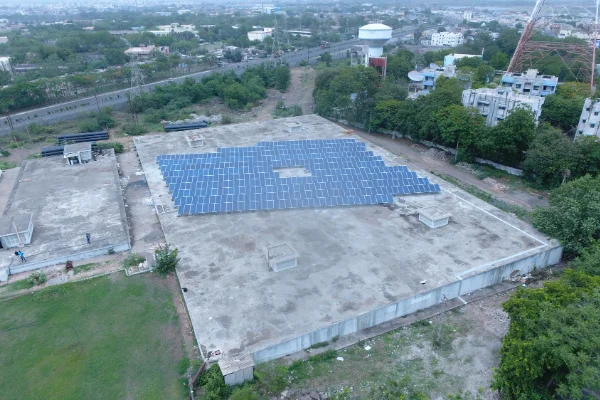
Rajkot In order to utilize the ground and rooftop space available with the Rajkot Municipal Corporation for solar power projects, a feasibility study was conducted as part of the CapaCITIES project at Sewage (Anandpar, Madhapar) and Water Treatment Plants (Ribeda, Raiyadhar) of Rajkot.
The study found the facilities to have the potential for a combined capacity of ~23 MWp of ground and roof top mounted solar pv system. The facility was found to have a shadow free available area of 24,345 sq mt and a connected load of 60 HP. An illustrative revenue model based on the feasibility study was developed to assess the bankability of the project which revealed that the project was prima-facie bankable to be tendered on Independent Power Producers basis.

The average electricity consumption of Rajkot over the last three years is more than~60 million kwh. The project is supporting development of a 10MW solar plant for captive use of Rajkot Municipal Corporation.
By displacing conventional energy consumption of Rajkot city, the project is expected to reduce ~0.03 mio tco2e and result in significant cost savings for RMC.
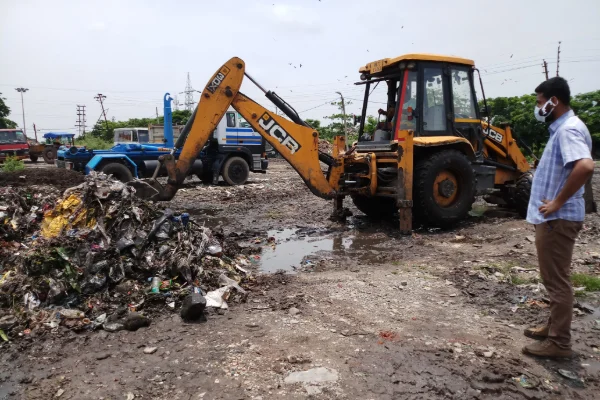
Through this study recommendations on optimal use of the existing (and rapidly filling up) dumpsite have been provided. Once implemented, these steps will help in better management of the existing dumpsite.