
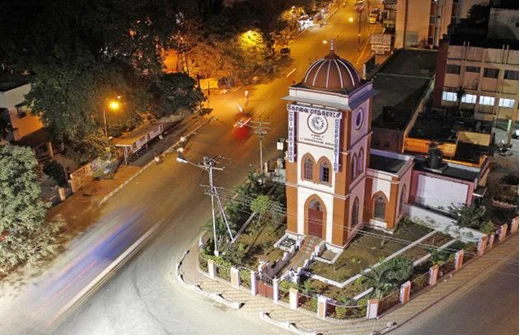
Coimbatore city has a warm and humid climate with the summer months from March to May seeing hot and humid days when maximum temperatures can reach 38°C or more. The temperature starts to dip from the month of August towards the end of the winter season, though minimum winter temperatures remain above 18°C.
The CapaCITIES project supported Coimbatore city to develop a GHG Emission Inventory and a Climate Resilient City Action Plan (CRCAP) in 2018 which was approved by the city council in February 2019. The project also implemented quick win (pilot) projects to showcase best practices in sectors like Solid Waste Management, Air Quality and Mobility, details of which can be found below.
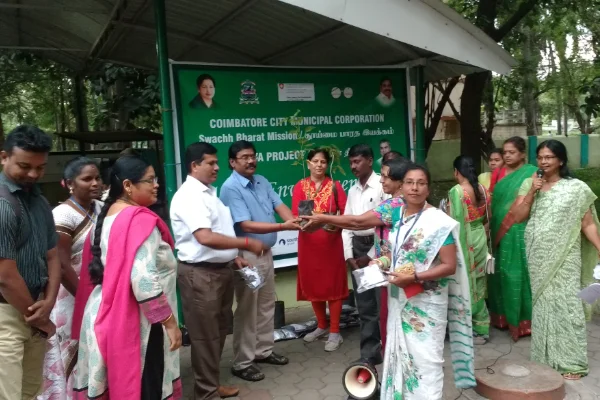
CapaCITIES project team implemented the SUNYA – Zero Waste Wards initiative in ward no. 22 and 24 of Coimbatore which successfully achieved 100% household level source segregation of biodegradable waste.
Based on an assessment of potential groundwater augmentation and in consultation with Rajkot Municipal Corporation, CapaCITIES project installed groundwater recharge at five locations across the city. These recharge structures not only ensure safe groundwater recharge from rainfall runoff, but also addresses issues of urban flooding, resulting storm water drainage systems.
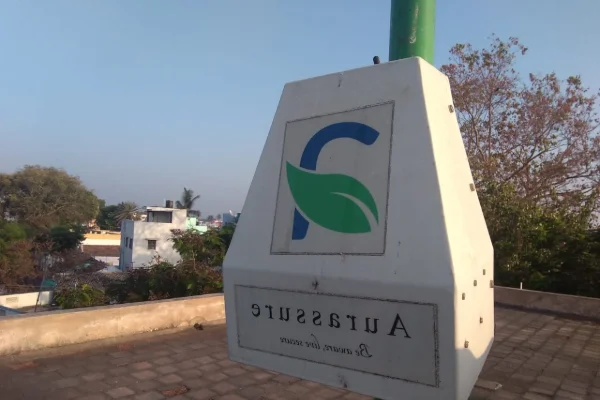
Four Ambient Air Quality Monitoring Stations and a digital display board that would continuously report data from all the 4 sensors were installed at the Town hall of Coimbatore City Municipal Corporation.
This was done by deploying a pilot Solar PV system of 31.5 kWp in the Krantiveer Khudiram Bose Township. This created an annual savings of roughly 45,360 units of electricity, contributing to a GHG emission reduction potential of 37 tCO2e.
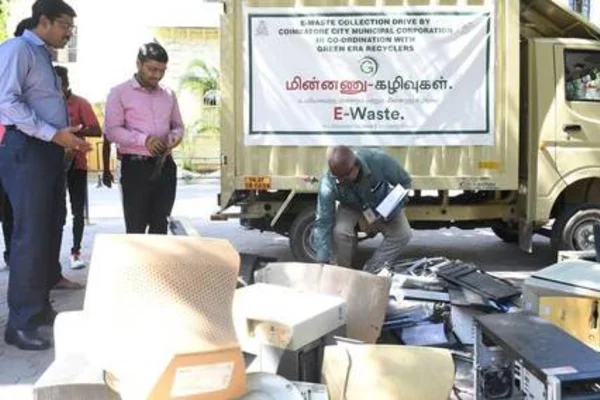
Coimbatore generates round 10 TPD of e-waste and the city’s efforts to better manage the informal e-waste was supported by CapaCITIES project through a bankability study on viable business models for e-waste management.
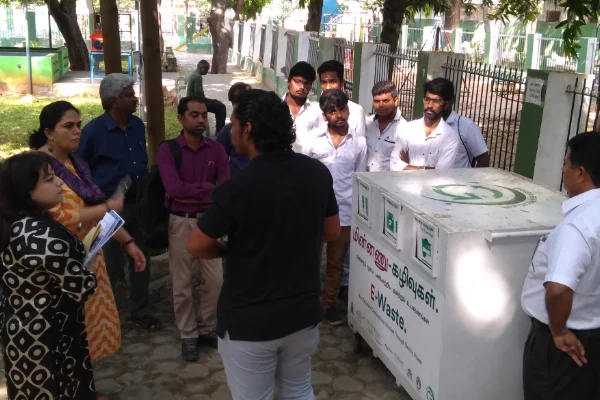
Coimbatore City Municipal Corporation (CCMC) was mandated by the National Green Tribunal (NGT) to construct Micro-composting centers (MCCs) in various wards of the city.
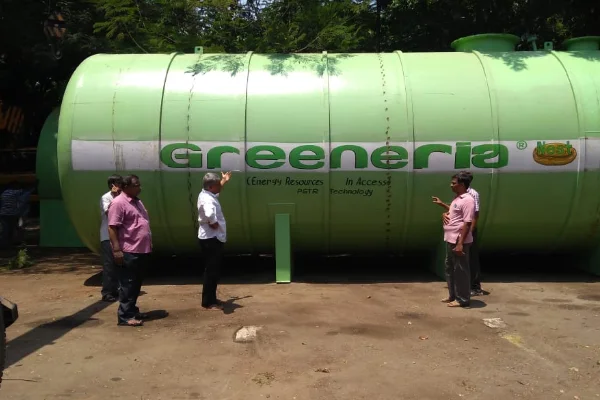
~40% of the total waste generated by the Coimbatore city is dumped in a mixed waste landfill at Vellalore. The project is supporting development of 200 tons waste to Bio CNG facility to process the organic waste on PPP.

Assessed the catchment area of Singanallur lake through a survey of the household waste water connections and lake water quality to determine relevant technology for treating the water before it enters the lakes to reduce pollution.

Under CapaCITIES project, a strategic action plan to reduce emissions from wastewater and to improve wastewater management in Coimbatore.

CapaCITIES project developed a Long-term SWM Strategy for the City as a holistic internal planning and monitoring document for the Coimbatore City Municipal Corporation to reduce GHG emissions from the solid waste management sector through better treatment and scientific disposal of waste.
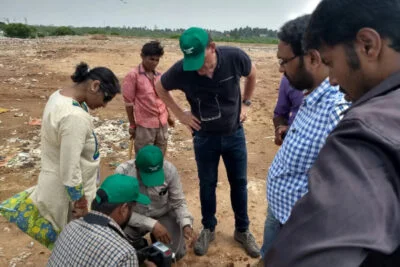
The engineering plan for movement of waste from multiple dumps in Vellalore to the old dumpsite was developed, allowing for its scientific closure, thereby reducing GHG emissions. The city had submitted this plan to the National Green Tribunal.

