About 28-32% of total GHG emissions in tier 2 Indian cities are contributed by the transport sector, which is also responsible for ambient air pollution that has serious impact on health and well-being of citizens. Several cities are taking positive steps towards a sustainable transportation paradigm through efforts in improving public transportation quality and footfall, enabling e-mobility and enforcing emission norms locally.
The CapaCITIES project is supporting Indian cities to plan and implement climate action in the mobility sector through technical studies and demonstration projects:

Udaipur: CapaCITIES project assisted Udaipur city to implement a pilot initiative to evaluate the technical capacity and workability of e-rickshaws in the context of Udaipur with its peculiar terrain and user base.
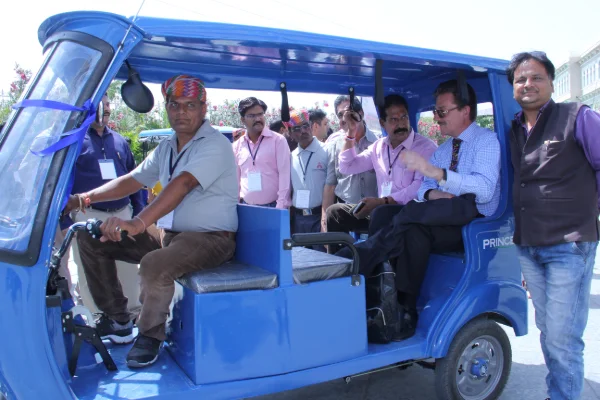
Udaipur: Walled city houses major economic and tourist destinations in Udaipur, due to large floating population congestion and air pollution has been identified as a key issue.
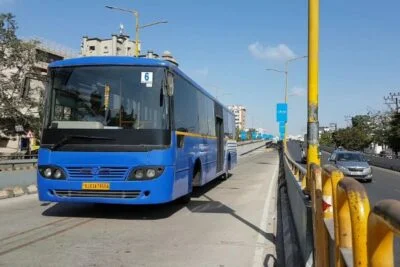
Rajkot: CapaCITIES project assessed the feasibility of electrifying the Bus Rapid Transit (BRT) route and proposed relevant measures to improve ridership along the 10.7 km BRT corridor after studying the need for last mile connectivity.

Udaipur: In the absence of robust public transport in Udaipur, IPT is a preferred mode of travel in the city which caters to more than 11% of trips in the city and provides employment (directly or indirectly) to a significant population.