Inefficient collection, processing and management of solid waste in Indian cities are resulting in significant avoidable GHG emissions and also lead to contamination of natural resources. Cities should adopt sustainable waste management practices by involving the community in segregation, by enforcing better public private partnership contracts, by investing in modern technology and by recognizing the role of waste pickers/ informal sectors in solid waste management.
The CapaCITIES project is supporting Indian cities in mitigating emissions from solid waste management and improving service delivery:
Developed roadmap for holistic solid waste management strategy for Coimbatore city up to 2035


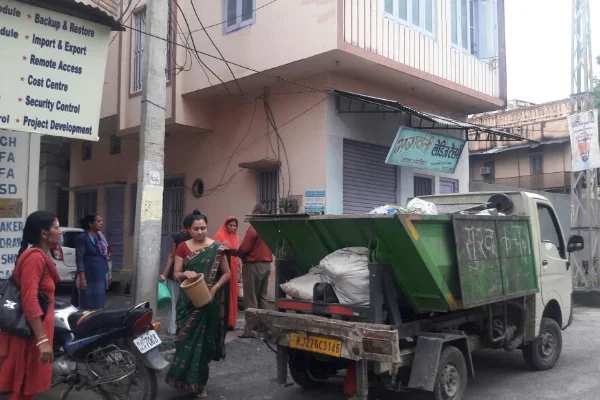
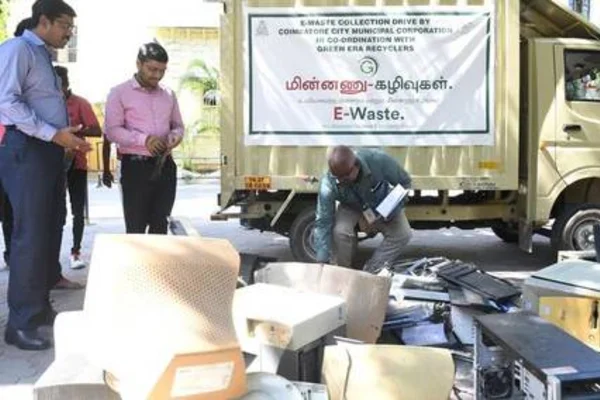
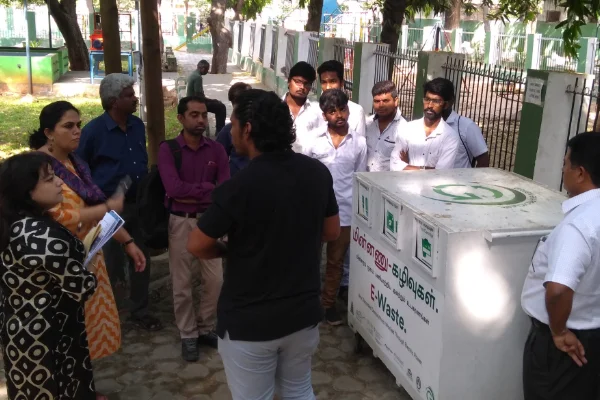
Coimbatore generates around 10 TPD of e-waste and the city’s efforts to better manage the informal e-waste was supported by CapaCITIES project.
Coimbatore City Municipal Corporation (CCMC) was mandated by the National Green Tribunal (NGT) to construct Micro-composting centers (MCCs) in various wards of the city.
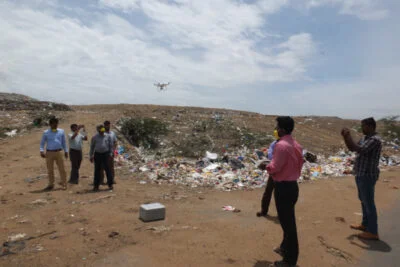
Coimbatore: ~40% of the total waste generated by the Coimbatore city is dumped in a mixed waste landfill at Vellalore.

Udaipur: Assessing the non-operational Tithardi dumpsite with mixed waste, revealed that there was no active landfill gas emissions from the dumpsite and waste characterization revealed mostly inert waste presence.
Coimbatore: CapaCITIES project developed a Long-term SWM Strategy for the City as a holistic internal planning and monitoring document for the Coimbatore City Municipal Corporation to reduce GHG emissions from the solid waste management sector through better treatment and scientific disposal of waste.
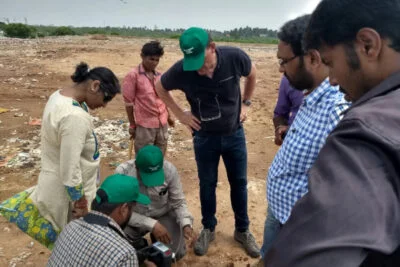
Coimbatore: The engineering plan for movement of waste from multiple dumps in Vellalore to the old dumpsite was developed, allowing for its scientific closure, thereby reducing GHG emissions. The city had submitted this plan to the National Green Tribunal.
